
 +62-72-72-322
 Write to us!


 Cart

 Your cart is empty.
Applied filters:
 Filter
Applied filters:
Price
Mattress material
Firmness of the mattress
Mattress size
- 60x120
- 70x130
- 70x140
- 70x150
- 70x160
- 70x170
- 70x180
- 70x190
- 70x200
- 80x150
- 80x160
- 80x170
- 80x180
- 80x185
- 80x190
- 80x200
- 90x160
- 90x170
- 90x180
- 90x190
- 90x200
- 100x180
- 100x190
- 100x200
- 110x190
- 110x200
- 120x180
- 120x190
- 120x200
- 130x190
- 130x200
- 140x180
- 140x190
- 140x200
- 150x180
- 150x190
- 150x200
- 160x180
- 160x190
- 160x200
- 170x190
- 170x200
- 180x180
- 180x190
- 180x200
- 200x200
Age of user
Vendor











 Sort
Get to know Lano orthopaedic mattresses better
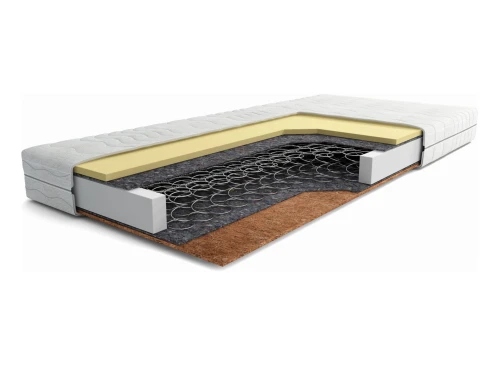
An orthopaedic mattress is not just one specific type of filling, but a way of constructing a mattress so that it properly supports a child's spine in every sleeping position. In practice, this means zoned firmness distribution and a combination of several materials that together distribute body pressure evenly.
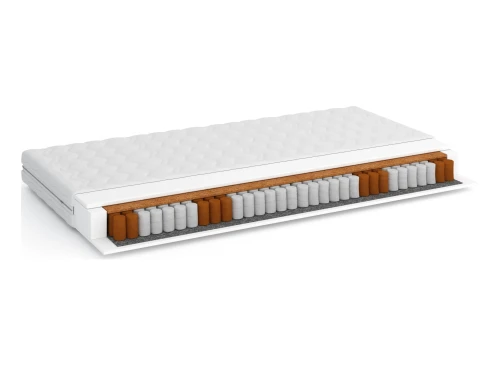
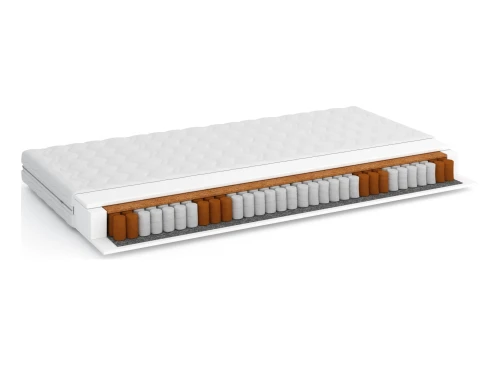
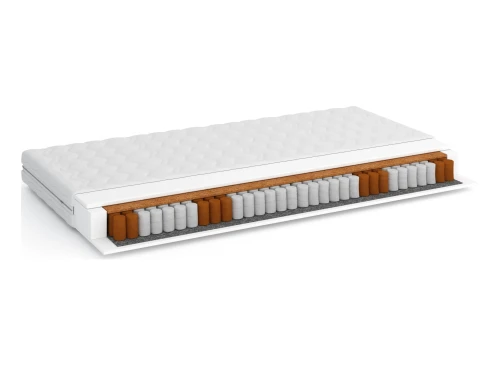
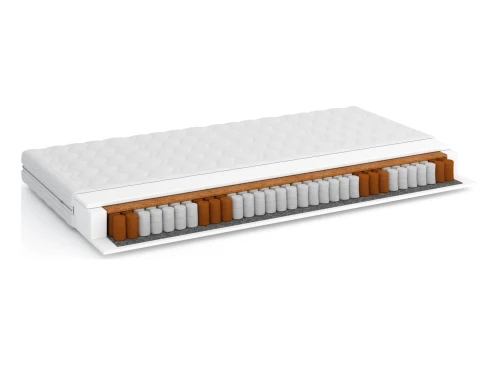
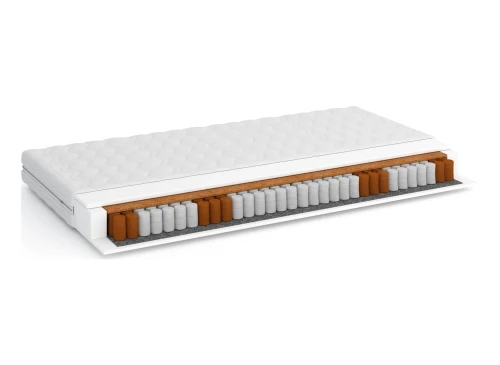
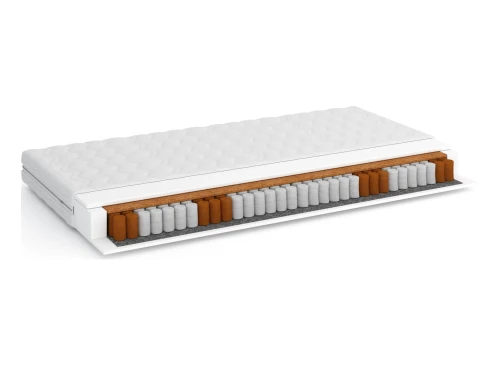
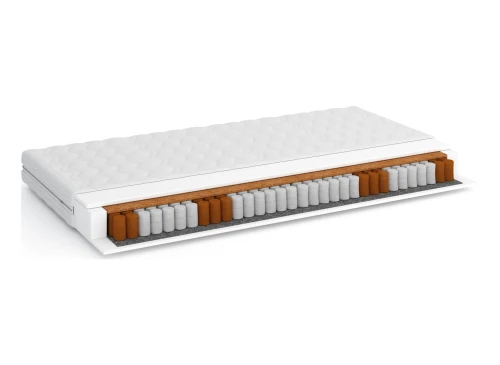
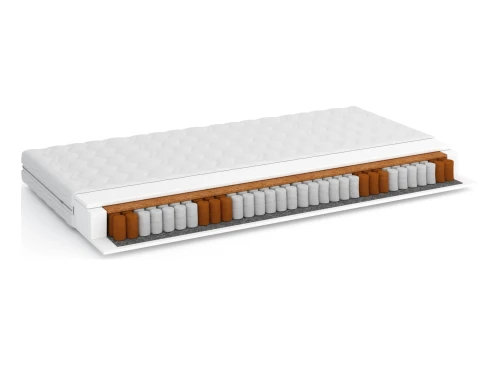
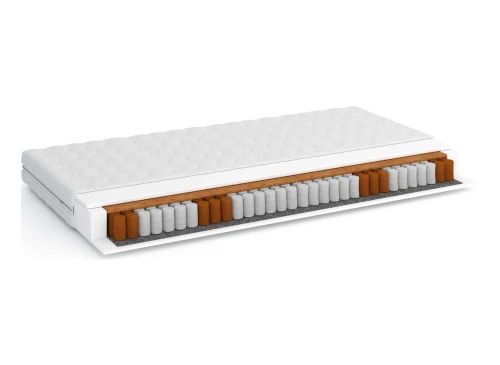
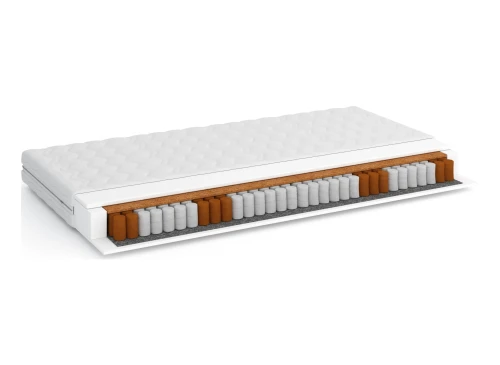
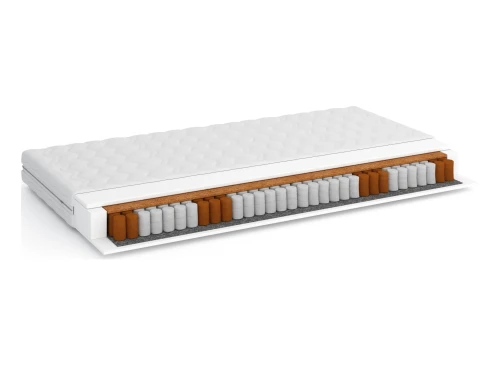
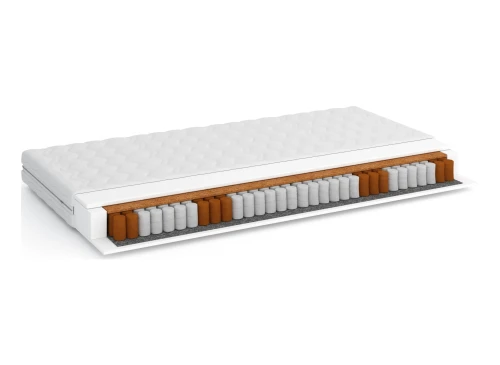
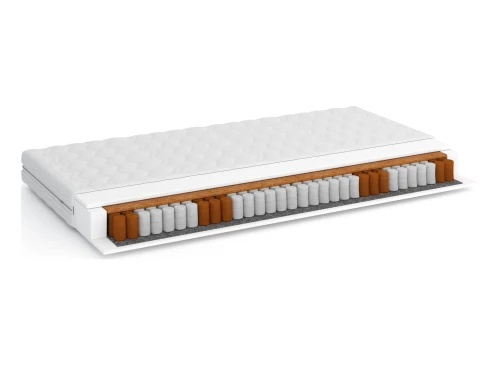
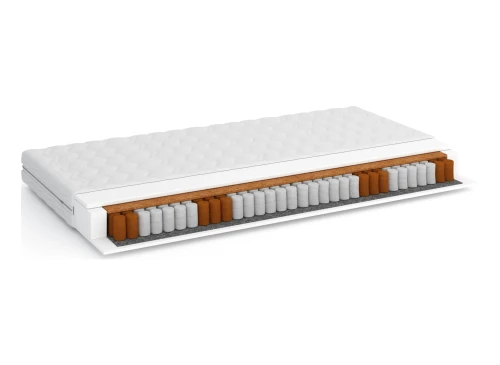
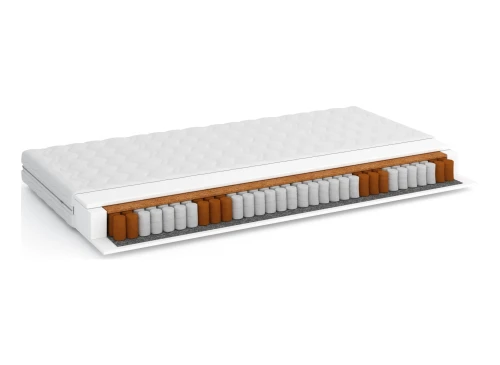
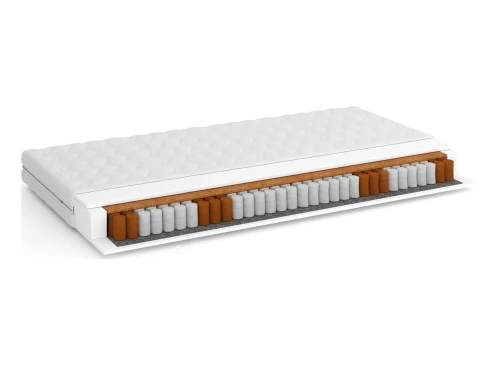
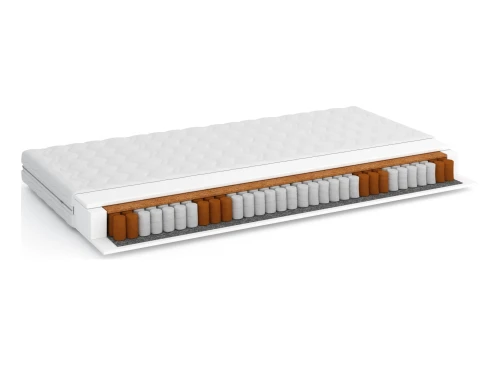
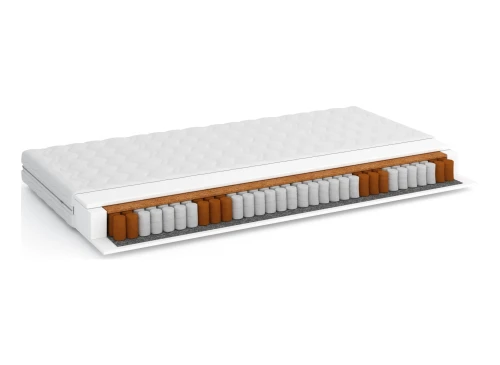
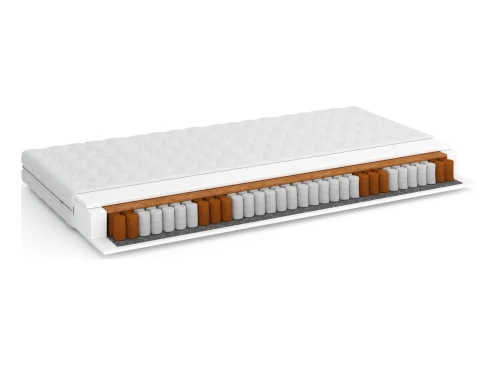
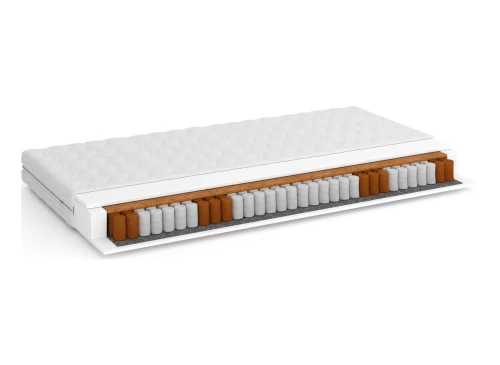
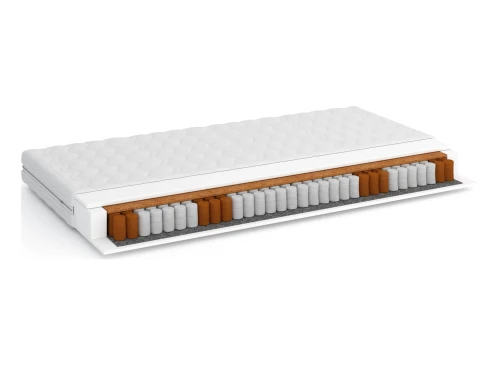
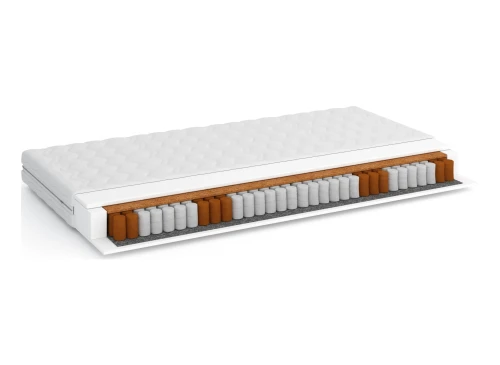
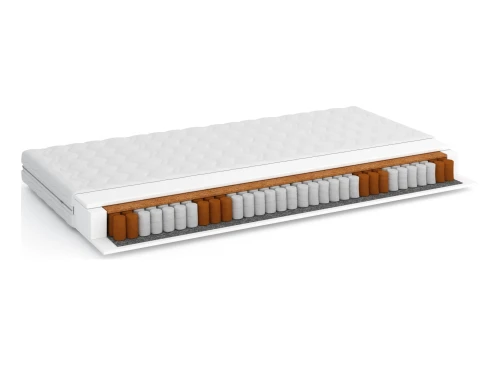
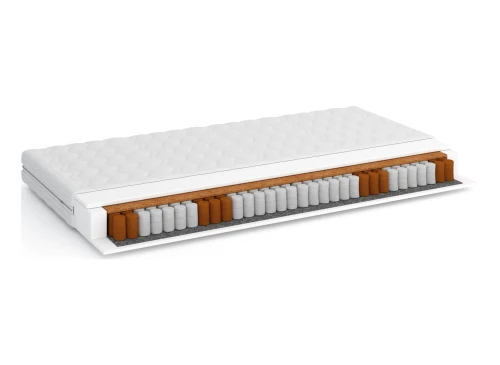
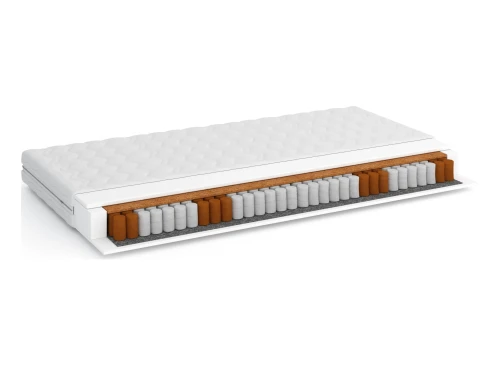
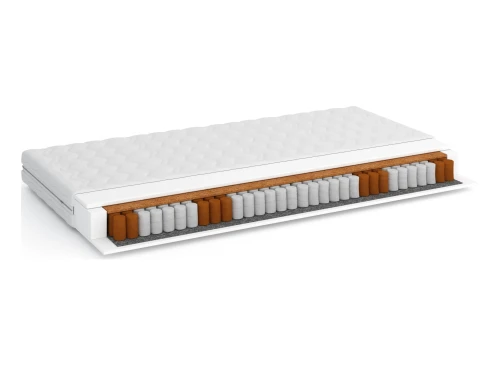
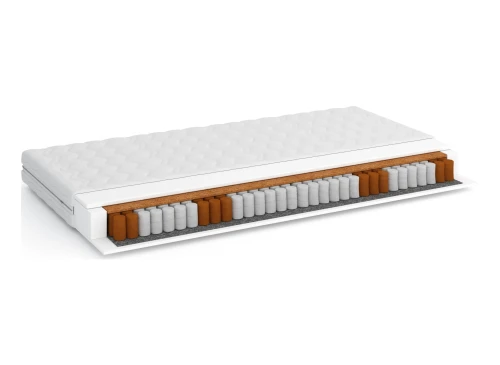
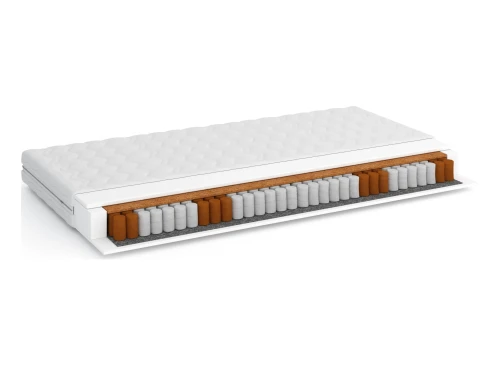
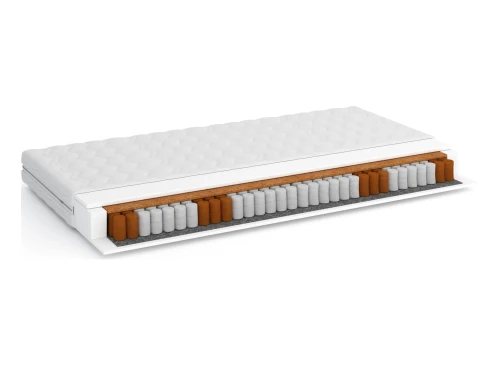
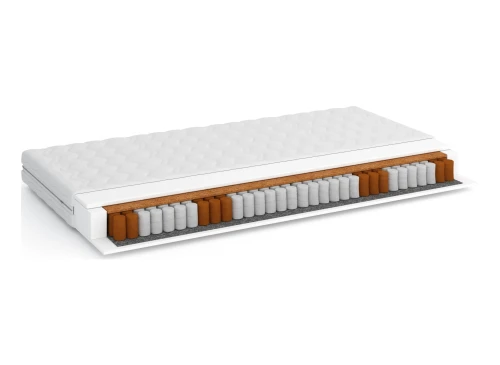
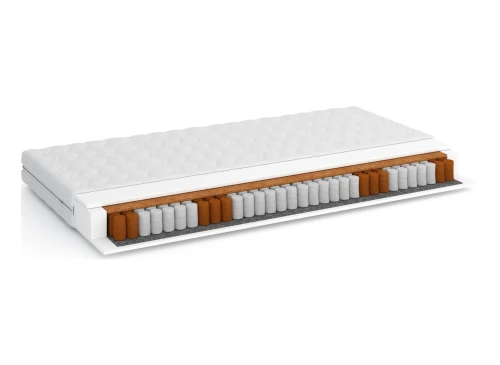
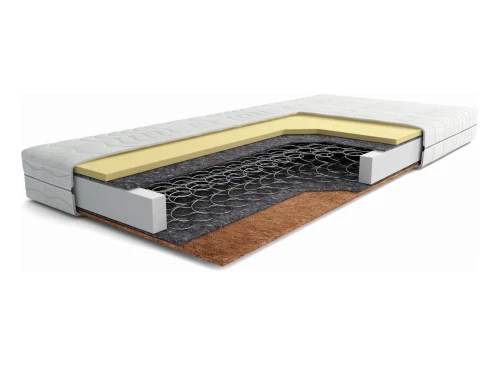
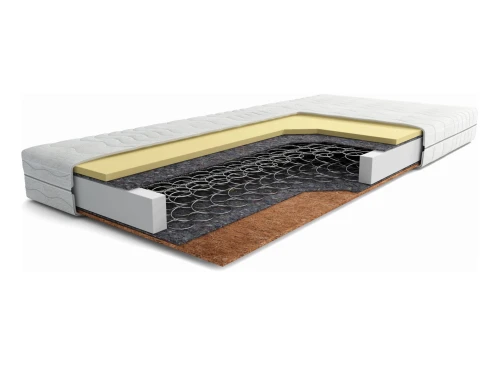
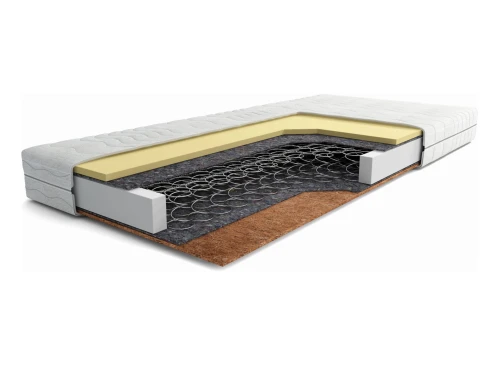
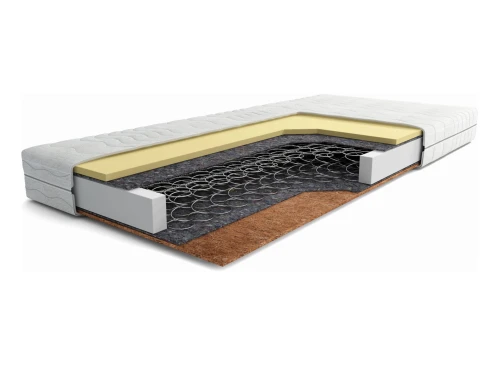
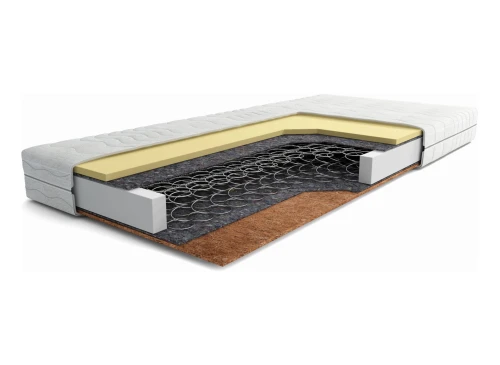
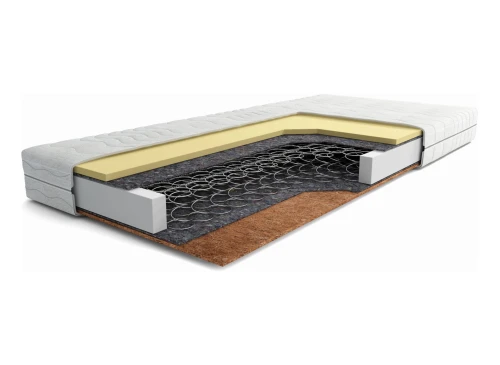
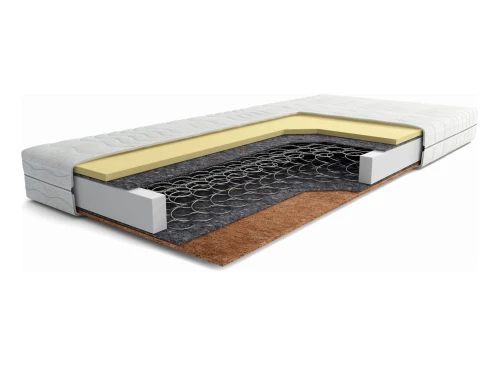
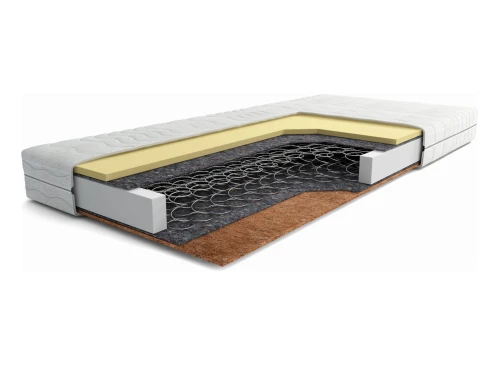
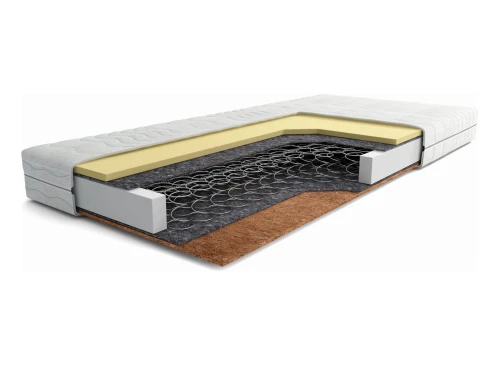
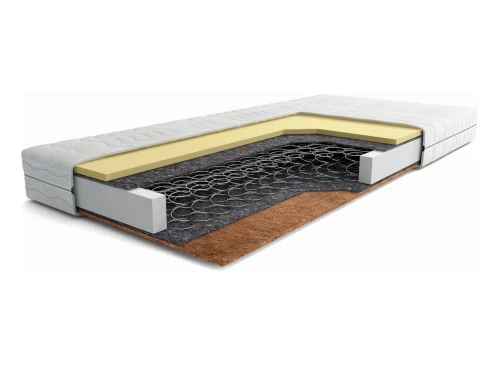
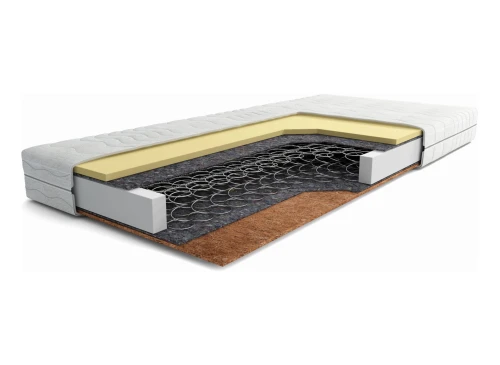
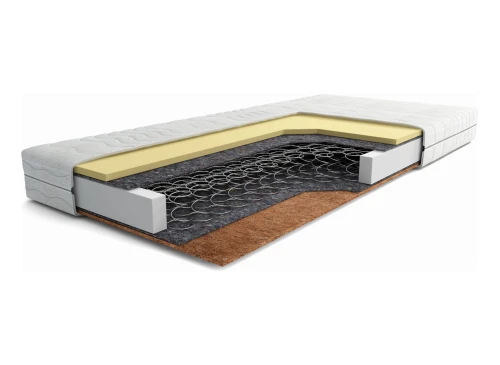
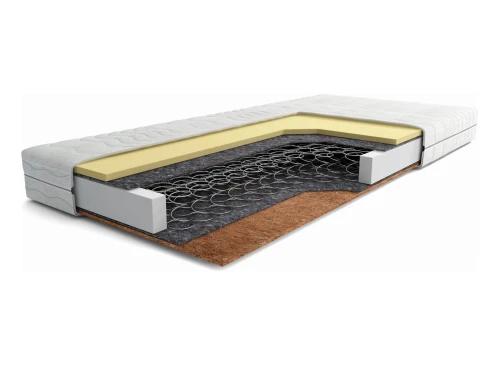
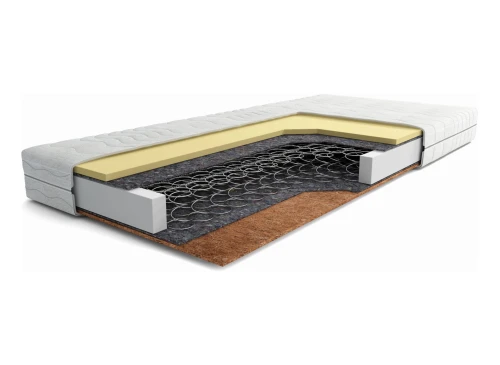
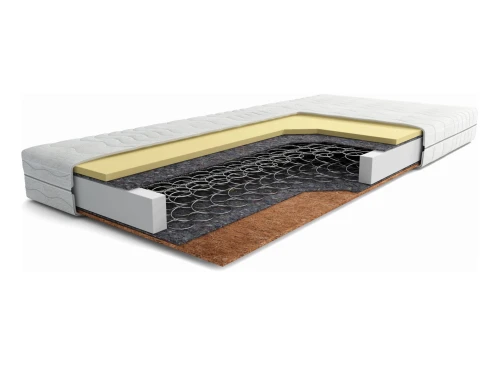
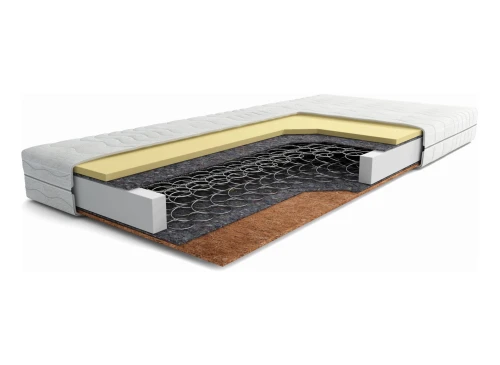
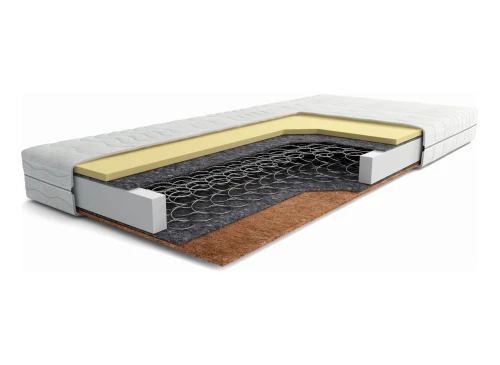
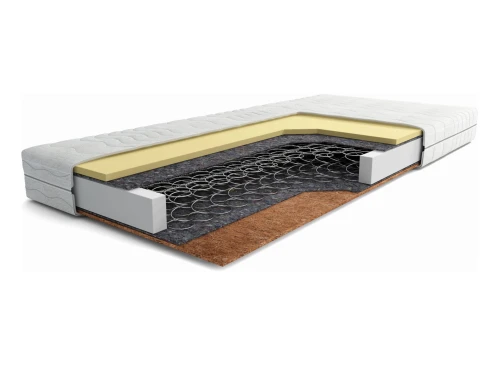
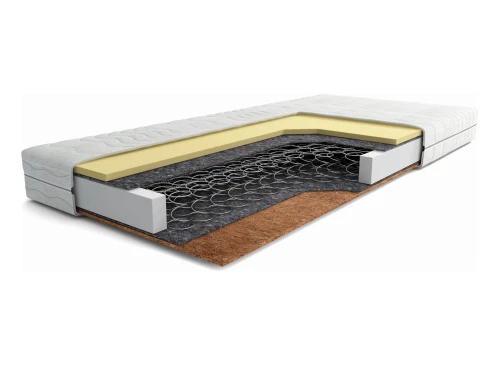
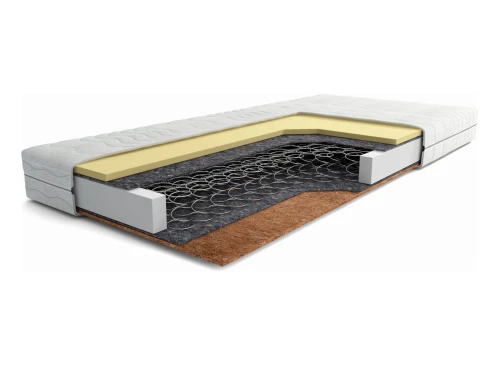
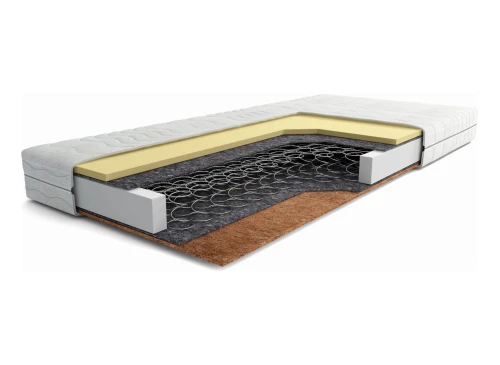
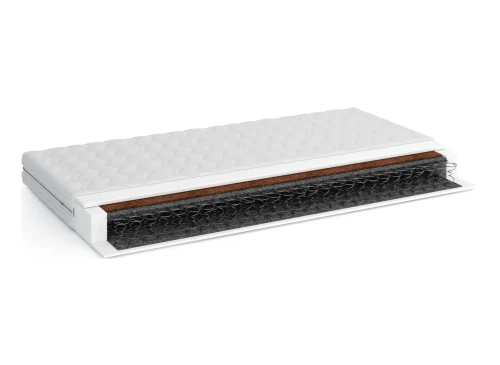
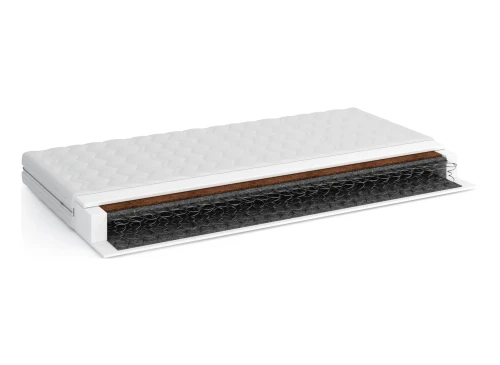
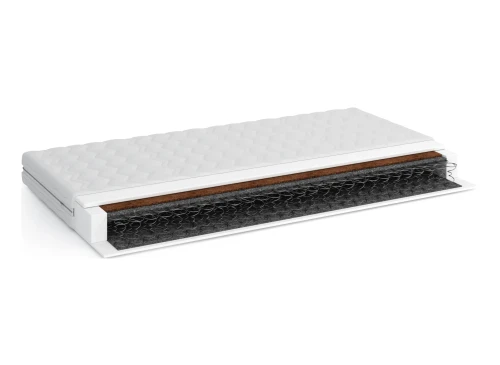
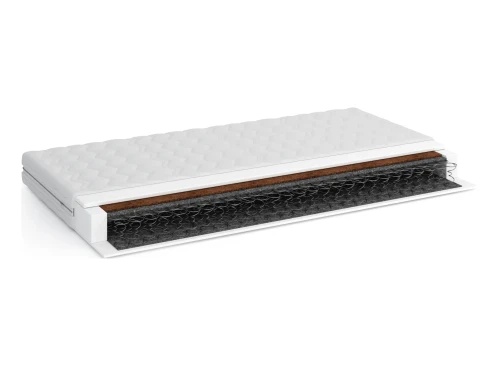
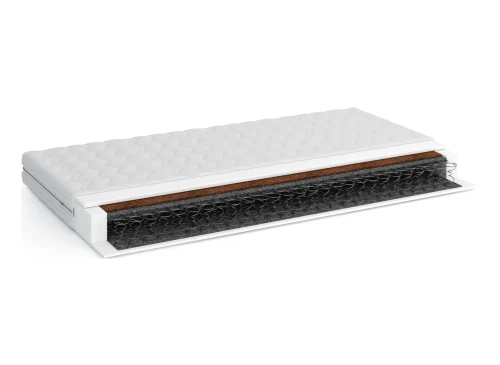
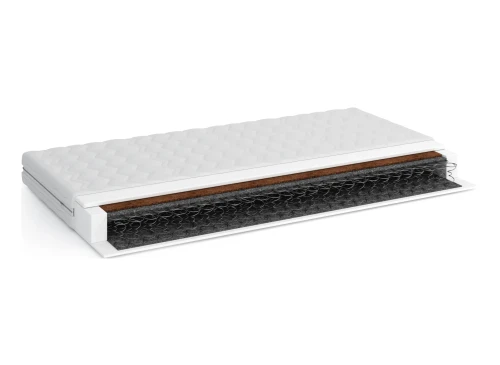
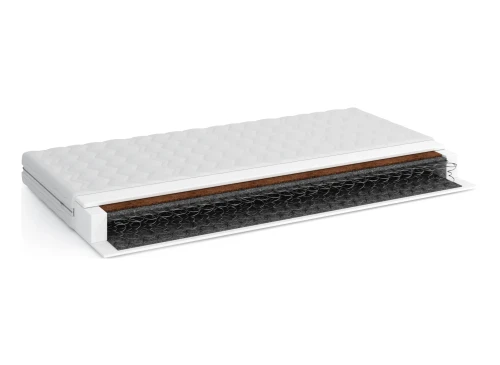
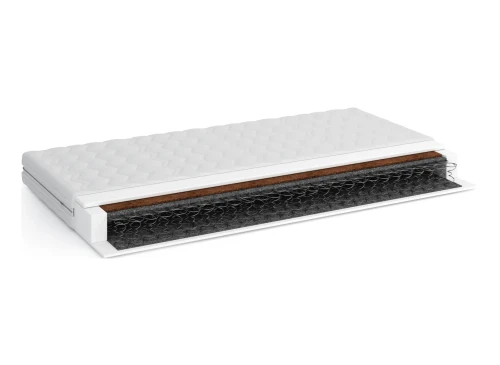
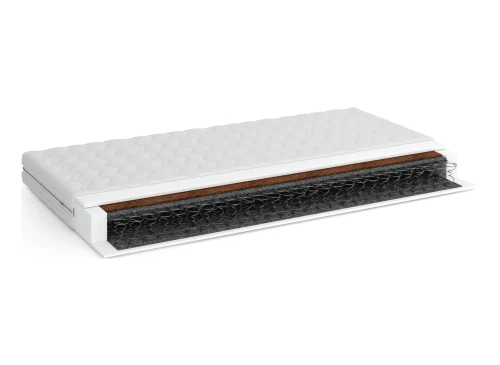
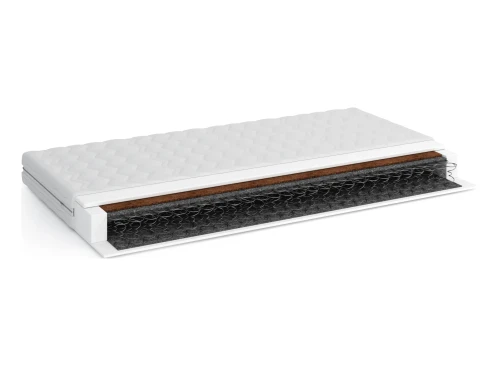
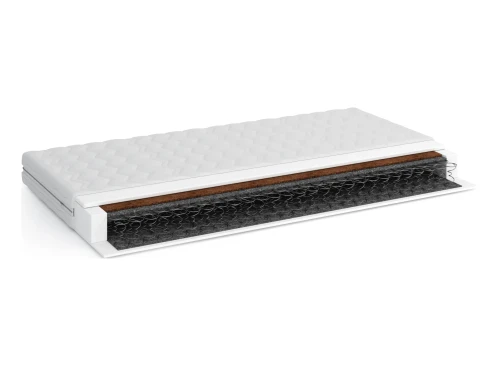
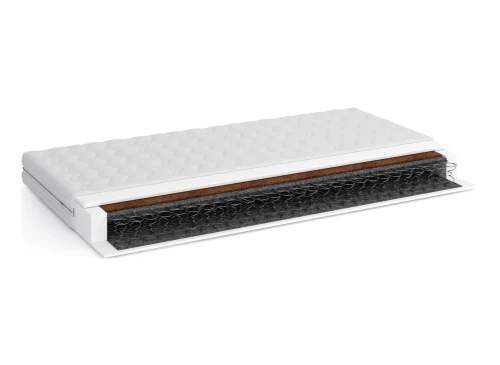
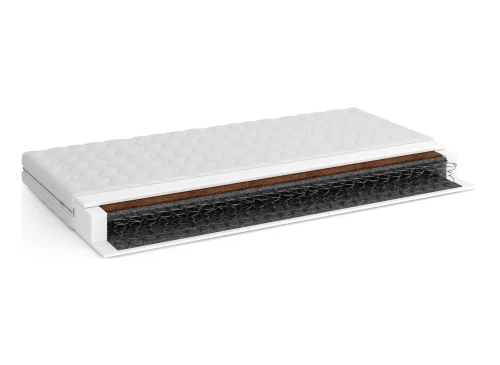
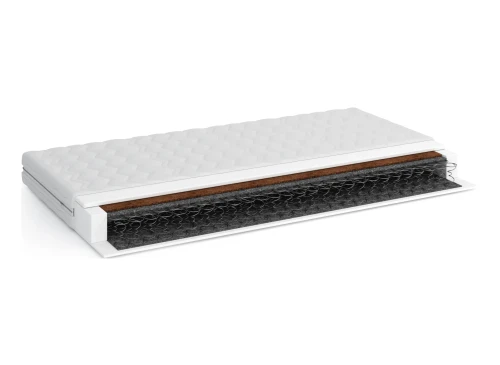
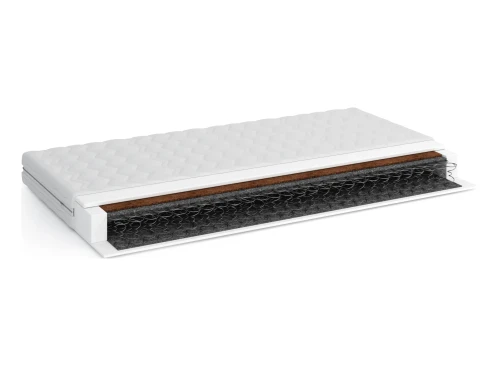
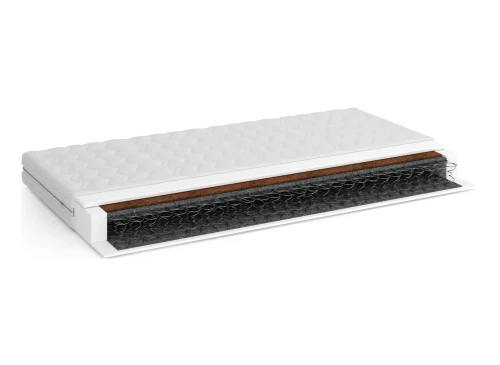
Inside you will find both pocket or multipocket springs and foams of various firmness levels: base, highly elastic or thermoelastic visco. Each of these materials is responsible for a different area of the body: shoulders, hips, lumbar region.
| Filling type | What it provides for the body | Recommended for |
|---|---|---|
| Pocket / multipocket springs | Point-by-point, independent support for each area of the body individually | Children who need distinct support for hips and back |
| Highly elastic foam (HR) | Quickly returns to shape, stabilizes body position throughout the night | Children who actively change positions during sleep |
| Thermoelastic foam (visco) | Distributes pressure point-by-point, relieves shoulders and hips | Children sleeping on their side, sensitive to pressure points |
How an orthopaedic mattress supports a child's body
- Proper spine alignment. An orthopaedic mattress adapts to the natural curves of the body, keeping the child's spine in a straight line regardless of sleeping position.
- Different firmness zones. The shoulder and hip areas need different support than the waist, which is why orthopaedic mattresses combine several materials of different firmness levels within a single core.
- Pressure point relief. Fillings such as visco foam distribute body weight over a larger surface, reducing pressure on shoulders and hips for side sleepers.
- All-night stability. Highly elastic materials quickly return to shape when changing positions, so support doesn't "slip away" from under the child's body when turning over.
Cover: a small detail that makes a big difference
Spilled drinks, snack crumbs or night accidents are everyday life in a child's room. A cover that can be removed and machine washed (usually up to 60°C) allows you to quickly restore freshness to the mattress.
Cover fabrics are selected to breathe well and not irritate a child's delicate skin. This is especially important for allergic tendencies and sensitive skin of the youngest.
A quilted cover not only looks good, but also adds softness to the sleeping surface, softening the child's body's first contact with the mattress.
Frequently asked questions
Which mattress to choose for a child?
The choice depends primarily on the age and weight of the child as well as their individual preferences. Infants and young children need a stable, medium-firm base, while older children and teenagers can sleep on mattresses tailored to their own preferences, from medium-soft to firm. The bed size and ease of keeping the cover clean are also important. You can find a full set of tips in our guide how to choose a mattress .
How does an orthopaedic mattress differ from a standard one?
An orthopaedic mattress is not made of a single type of filling, but combines several materials with different firmness in zones corresponding to the shoulders, waist, and hips. Thanks to this, the child's spine remains properly aligned regardless of their sleeping position.
How does an orthopaedic mattress affect a child's spine?
Properly selected firmness zones support the body where needed and yield where the body requires it, for example around the shoulders and hips. This limits excessive curvature of the spine during sleep and relieves pressure points.
How long will an orthopaedic mattress last for a child?
A good quality orthopaedic mattress made of durable highly elastic foams or pocket springs can last for several years without losing its supporting properties. However, it is worth regularly checking whether the firmness zones still adapt well to the growing child.
Wondering which mattress to choose for your child?
See our selection of orthopaedic mattresses matched by age, from the first cot to a teenager's room, or browse the full range of mattresses by age .